

When Stress Has a VIP Pass to Your Life
Let’s be honest—stress doesn’t knock politely; it barges in like it owns the place. One minute you’re sipping coffee and planning your day, the next your inbox has exploded, your smartwatch is telling you to breathe, and your brain is auditioning for a hamster-wheel marathon.
It’s comforting (and mildly hilarious) to realize that even the people who look like they have it all together—top CEOs and elite athletes—are also fighting the same invisible monster. They may wear nicer shoes or have bigger trophies, but guess what? Their stress still sweats just like ours.
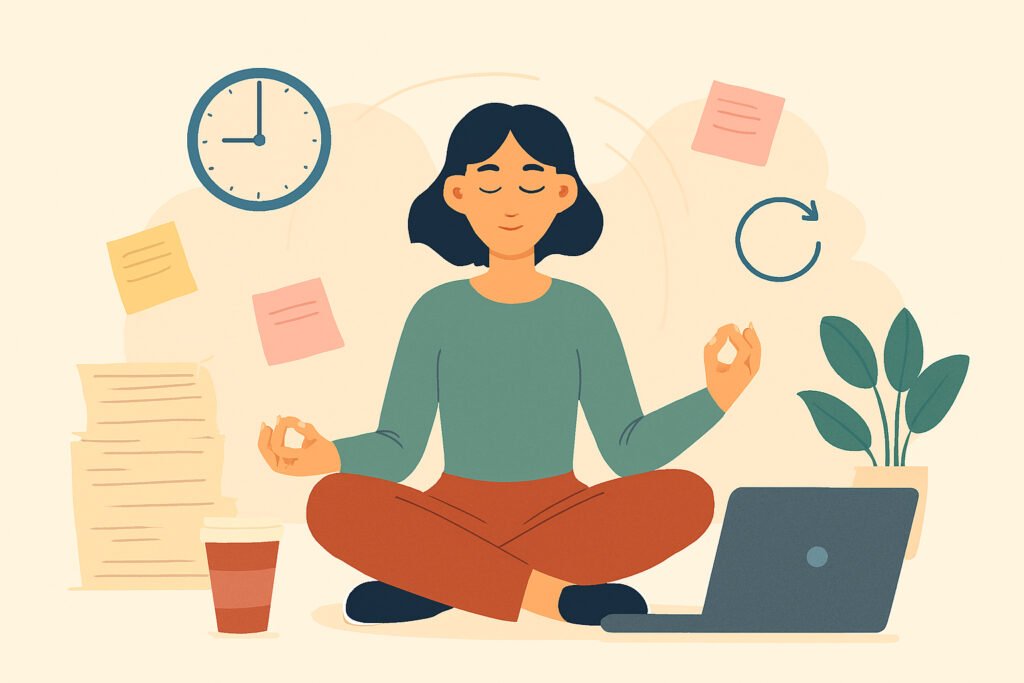
The difference? They’ve mastered the art of handling high-pressure moments without throwing their laptops—or golf clubs—across the room. Here’s how they do it, and how you can, too.
Understanding Stress: The Common Denominator Between Boardrooms and Locker Rooms
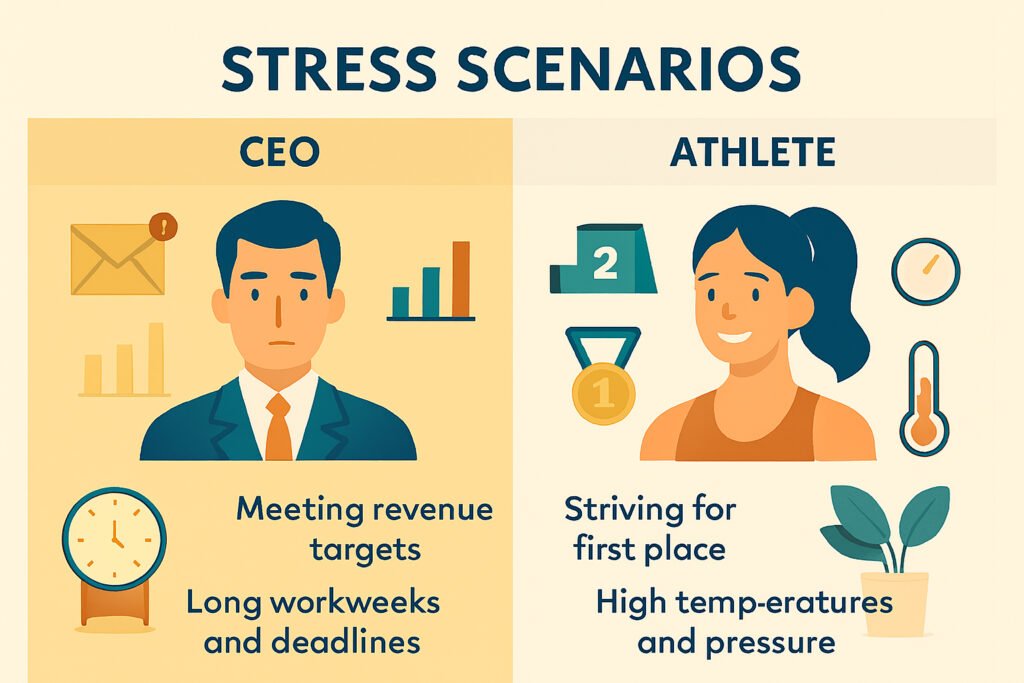
Imagine this: a CEO staring at a PowerPoint presentation with 87 slides minutes before a billion-dollar pitch—while somewhere else, an athlete is sweating bullets waiting for the whistle to start a championship game. Different worlds, same sweaty palms. Stress, that invisible opponent, has no favorites.
For high performers—whether you wear a power suit or a jersey—stress is a daily workout. It can show up as performance pressure, decision fatigue, endless meetings, training fatigue, or those nights when sleep decides to ghost you. CEOs wrestle with investors and deadlines; athletes battle opponents and expectations. Both are pushing their minds and bodies to stay at their peak—a balancing act between greatness and burnout.
When stress goes unmanaged, it hijacks clarity, focus, and judgment. CEOs start making decisions that make even interns cringe. Athletes miss the routine plays they could’ve made in their sleep. Physiologically, stress dumps cortisol and adrenaline into the system—useful short-term, but long-term? It’s the express lane to burnout, brain fog, and doctor visits.
So, how do these world-shapers keep it together under crushing pressure? Let’s dive into what science and real practice reveal—the stress management strategies that CEOs and athletes swear by.
The Science Behind Stress: How Mindfulness, Exercise, and Connection Boost Your Brain and Body
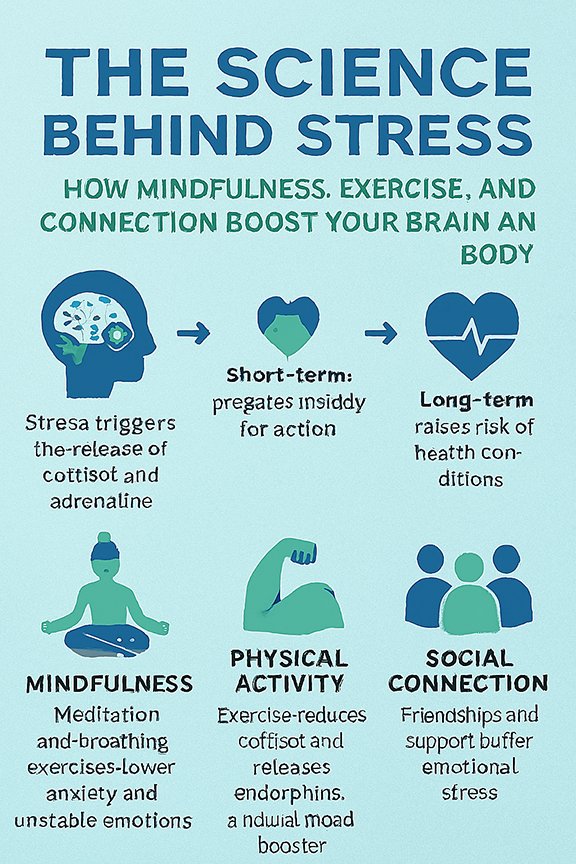
Stress triggers the release of the hormones cortisol and adrenaline, which prepare your body for immediate action by increasing heart rate, blood pressure, and energy supply. Cortisol, often called the “stress hormone,” increases glucose in the bloodstream to fuel heightened brain activity and muscle readiness. While these responses are essential for short-term survival, prolonged or chronic stress causes sustained cortisol elevation, leading to impaired focus, risk of burnout, and negative effects on cardiovascular health and immune function. Unmanaged stress may also contribute to symptoms such as headaches, muscle tension, and disrupted sleep patterns, impairing overall well-being and productivity.
Scientific research shows that mindfulness techniques such as meditation and controlled breathing help reduce anxiety and improve emotional regulation by rewiring the brain’s response to stress. Regular physical activity lowers baseline cortisol levels and stimulates the release of endorphins, natural mood enhancers that also act as antidepressants. In addition, strong social connections provide a crucial buffer against stress by offering emotional support and boosting resilience. These evidence-based, holistic strategies work synergistically to transform stress from a harmful burden into a powerful tool for enhanced performance, mental clarity, and long-term health.
Mindfulness and Meditation: The Mental Reboot Button
If you think meditation is just sitting in silence while your to-do list heckles you, think again. Some of the world’s busiest minds—top CEOs like Salesforce’s Marc Benioff or elite athletes like LeBron James—swear by meditation to keep their game sharp.
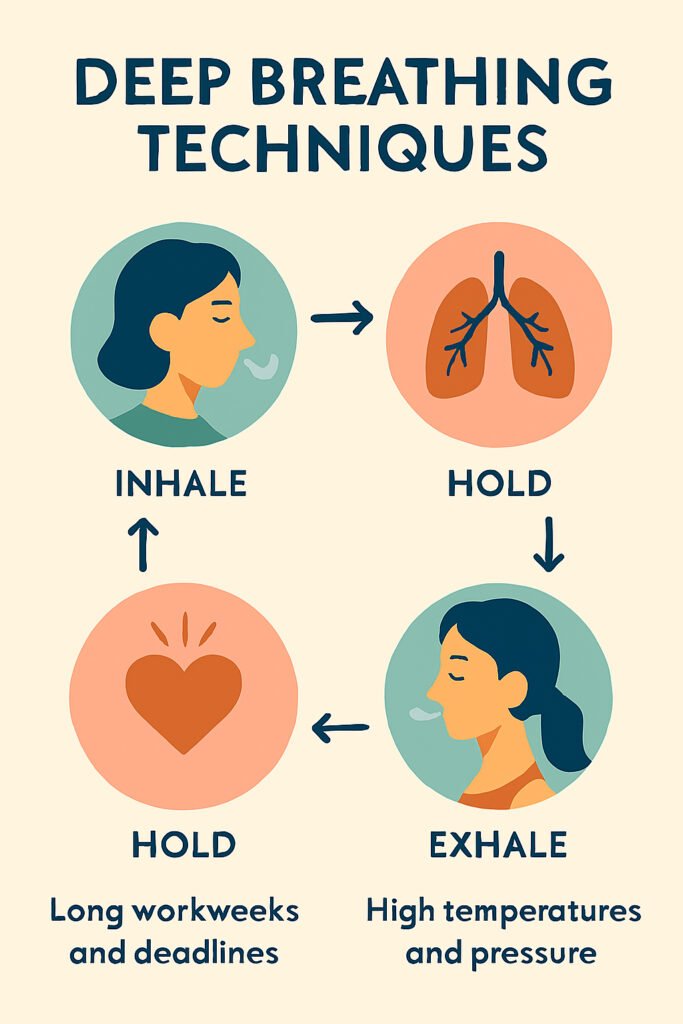
Mindfulness isn’t about escaping the chaos; it’s about learning to breathe in the chaos without losing your cool. Deep breathing, the four-count inhale-hold-exhale technique, is like hitting your brain’s “reset” button. Try it before that big meeting or presentation; you might just find your inner Zen CEO in under a minute.
Then there’s guided imagery, which is basically mental visualization—but cooler. Michael Phelps used it before races to see himself winning before he dove in. Many executives do the same before major deals. The brain can’t tell the difference between real and vividly imagined success, so you might as well make your mind your training ground.
Pro tip: Body scans are also game-changers. Take a moment to mentally travel from head to toe, relaxing each part as you go. It’s like untangling headphone wires—annoying at first, but deeply satisfying when you finish.
Physical Activity: The Sweat-Equity Solution for Stress
Remember when you thought exercise was just about looking good in jeans? Turns out it’s also a VIP pass to mental clarity. Endorphins, your body’s natural “feel-good” chemicals, come free with every run, stretch, or dance break.
Many CEOs hit the gym before sunrise not because they love 5 a.m. alarms but because they’ve learned this secret: a strong body fuels a strong mind. Athletes already know the drill—movement burns off stress hormones faster than any motivational quote ever could.
Don’t overthink it; start small. Take a walk between Zoom calls, stretch while your coffee brews, or swap doom-scrolling for ten minutes of yoga. The key? Consistency beats intensity. Every. Single. Time.
The Power of Connection: No One Wins Alone
Behind every cool-headed CEO or clutch athlete, there’s a support system. Mentors, coaches, teammates, or even that one friend who listens without judgment—these connections are emotional oxygen.
Many high achievers credit mentorship as their sanity anchor. CEOs find guidance from seasoned leaders who’ve navigated rough seas. Athletes lean on coaches who remind them that defeat isn’t the end—it’s feedback. Even peer groups help normalize stress; it’s easier to breathe when you know others are panting alongside you.
Tip: Schedule coffee (or smoothie) chats, join mastermind or peer advisory groups, and give yourself permission to vent. The power of shared experience is pure therapy—minus the invoice.
The Bottom Line
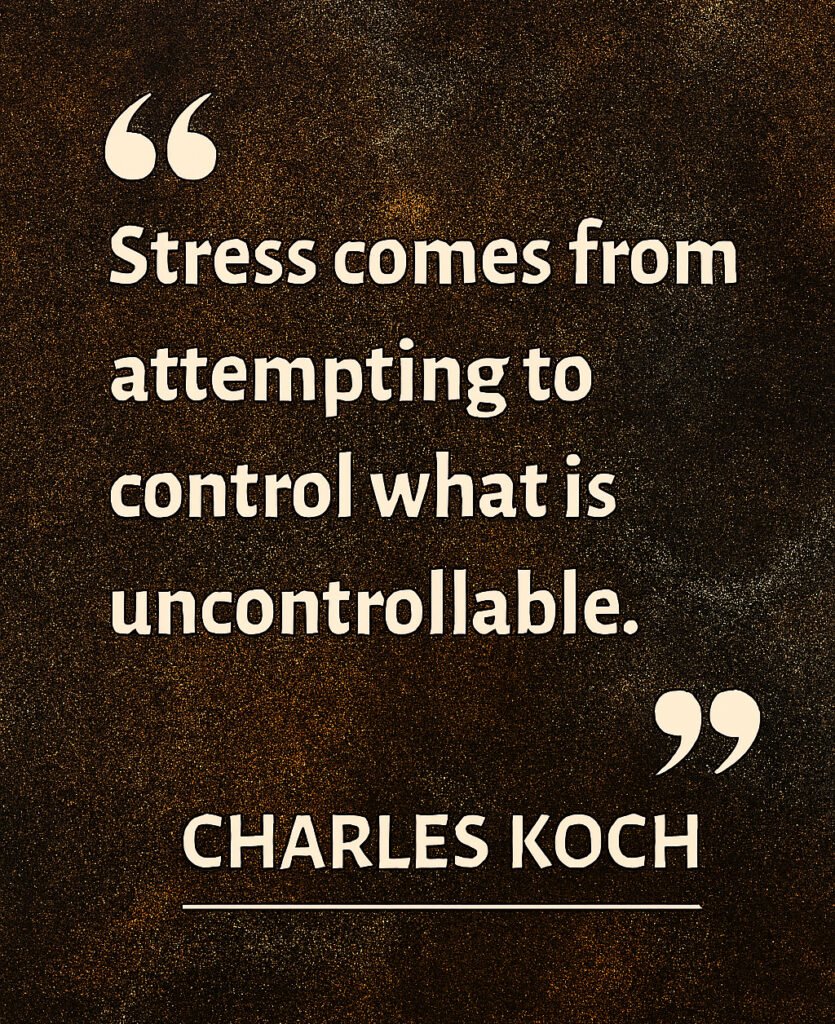
Here’s the truth: stress isn’t your enemy; it’s your coach dressed in chaos. CEOs and athletes alike learn to dance with discomfort instead of running from it. By mastering mindfulness, moving your body, and nurturing connections, you’re not just managing stress—you’re transforming it into fuel for performance, passion, and purpose.
So, whether your “game day” happens in a boardroom or on a field, remember this—your success depends less on how much you can handle and more on how well you recover.
Invest in your wellness like it’s your next IPO. The ROI will show up in your energy, relationships, and confidence.
Frequently Asked Questions
Product Recommendations
Ready to kick stress to the curb? Here are some Amazon favorites that top achievers love for daily peak performance and recovery:
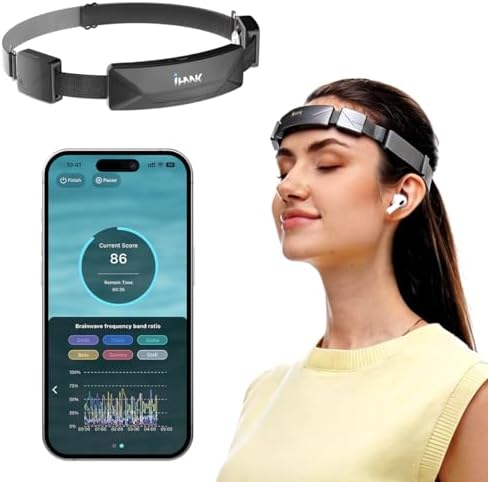
Smart Meditation Headband – Tracks your brain waves and guides you into calm quicker than your phone can buzz again.
Red Light Therapy Lamp – Used by athletes for muscle recovery and by executives for better sleep and mood regulation.
Weighted Blanket – Like a full-body hug that melts away nighttime anxiety.
Foam Roller with Vibration – Perfect for post-workout or post-meeting muscle tension release.
Reusable Cold Brew Bottle – Because caffeine, just like stress, hits differently when managed right.


AFFILIATE DISCLOSURE
themindsparkcollective.net is a participant in the Amazon Services LLC Associates Program, an affiliate advertising program designed to provide a means for sites to earn advertising fees by advertising and linking to Amazon.com.
I may earn a small commission for my endorsement, recommendation, testimonial, and/or link to any products or services from this website.
Last Updated on October 31, 2025 by The Mindspark Collective