
The Introduction: Those Purple Polka Dots of Mystery
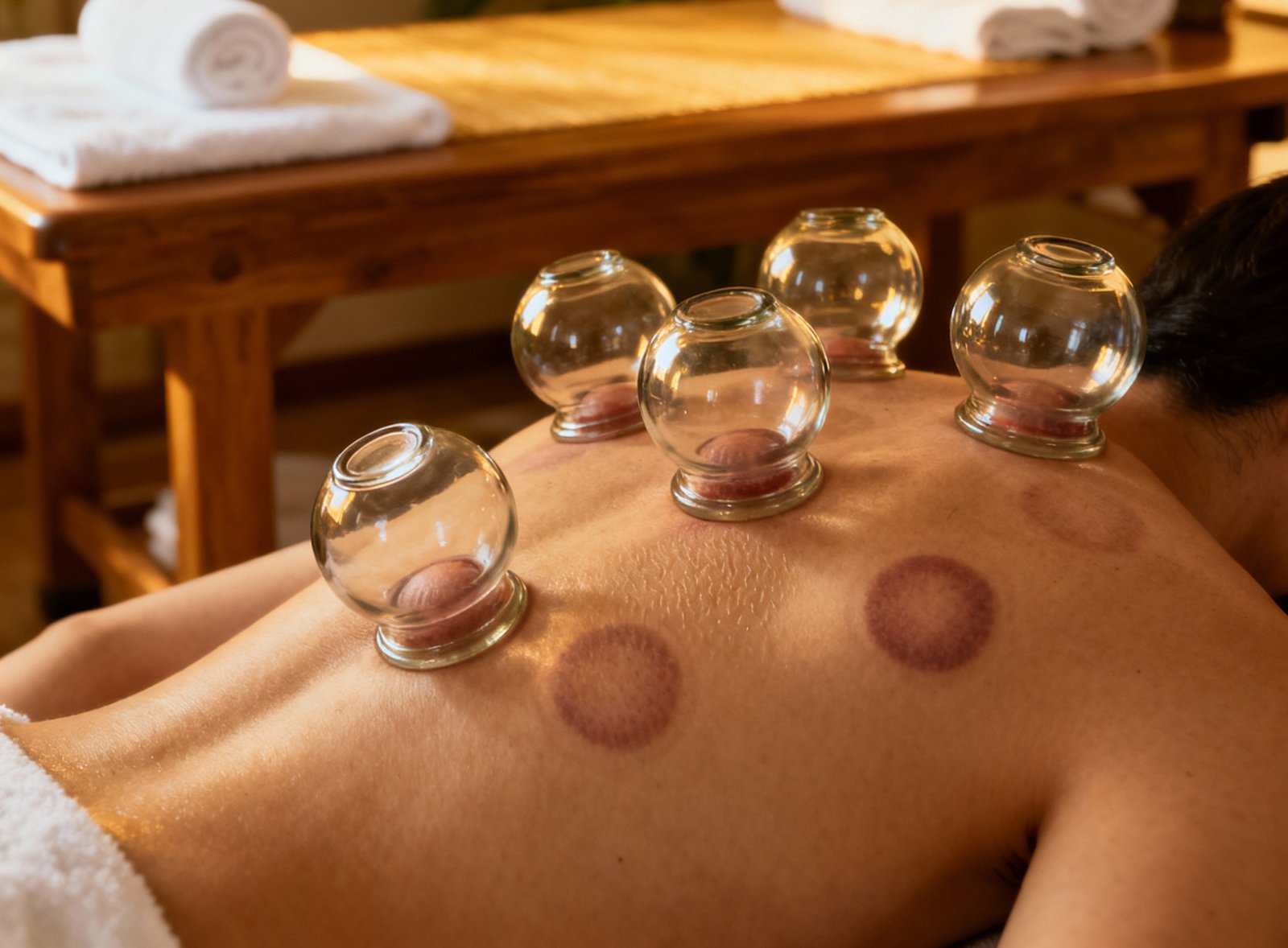
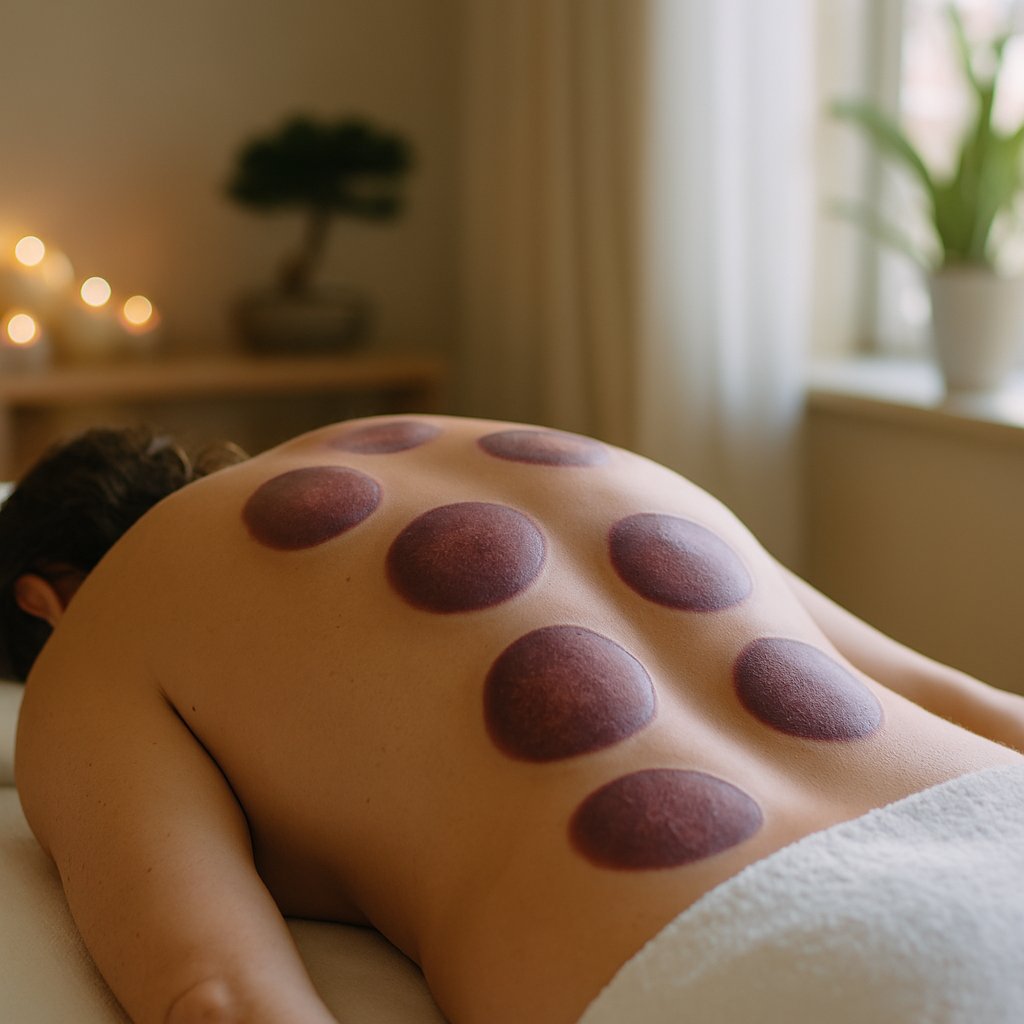
You’ve seen them — those mysterious purple circles splattered across a celebrity’s back or a co-worker’s shoulders who proudly proclaims, “Oh, it’s just cupping!”
And you probably thought, “Wait, what kind of medieval torture device is that?”
But here’s the twist: what if those very circles were the secret weapon to easing that stubborn neck pain from endless Zoom calls, melting away shoulder knots that feel like concrete, and calming that buzzing anxiety that coffee and deadlines have been feeding all week?
Yep — cupping therapy might just be the misunderstood hero of the modern wellness world.
So, when a therapy that involves fire, glass cups, and suction marks that look like octopus love bites promises relief, it’s only natural to raise an eyebrow. But as strange as it looks, science is beginning to back up what ancient cultures already knew: cupping therapy works — and it might just be the remedy your overworked body has been begging for.
My First Time Getting Cupped (a.k.a. The Octopus Encounter)
Let me paint a picture.
After weeks of sitting at my desk like a shrimp — shoulders curved, neck craned, caffeine levels dangerously high — I booked a cupping session. Mostly out of desperation, partly out of curiosity, and maybe a little because I saw Michael Phelps do it and thought, “If it’s good enough for an Olympian, it’s good enough for me.”
I arrived at the wellness clinic, greeted by soothing music, lavender candles, and a therapist who looked like she floated out of a zen garden. She asked where I held my tension. I laughed nervously, “Where don’t I?”
When she placed the first cup on my back, I braced for pain — but instead, it felt oddly… relaxing. Like a gentle vacuum hug. Ten minutes later, my back looked like a modern art project, and I was half-asleep on the table.
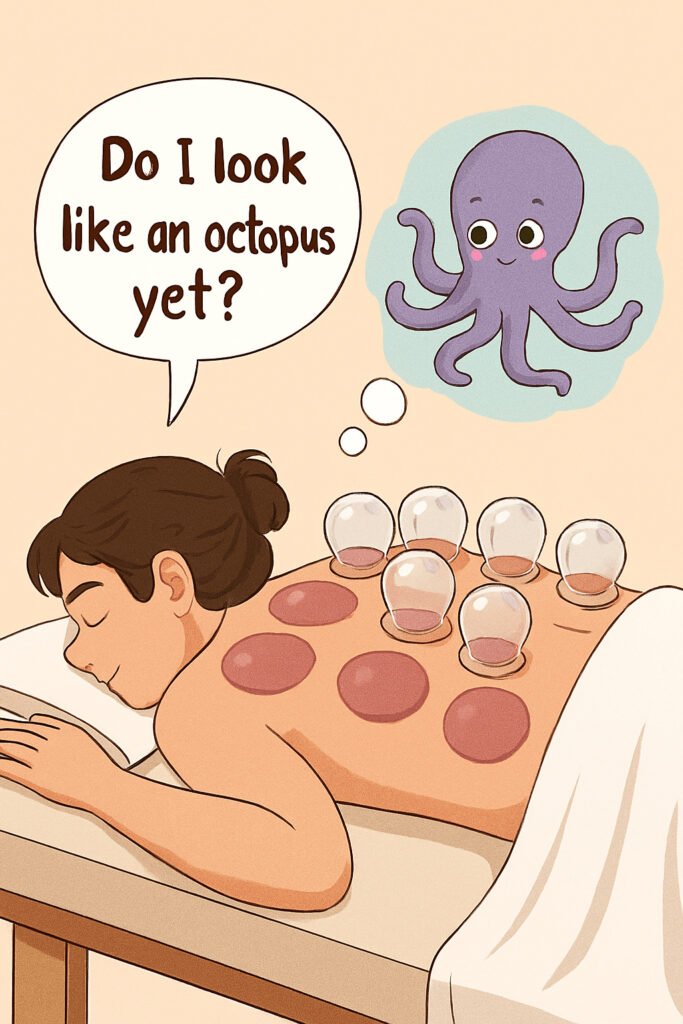
The next day, I caught my reflection in the mirror and gasped. “Oh no. I look like a human dalmatian!” But beneath the purple circles, something miraculous had happened — my shoulders moved again. The chronic tightness that made me groan every time I reached for my laptop had melted away.
Was it magic? Science? Or placebo? Let’s find out.
Desk Job Damage: Why Our Muscles Are Begging for Help
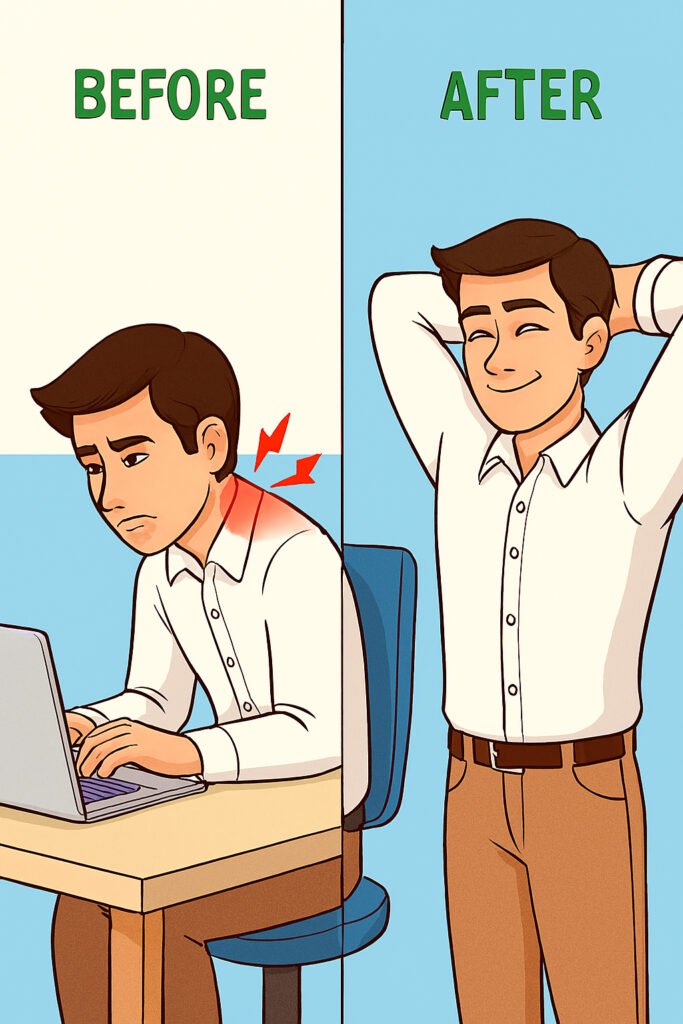
If you’ve ever ended a workday feeling like you’ve been body-slammed by your office chair, you’re not alone.
The modern desk job is basically a slow-motion assault on our posture. Our necks jut forward to stare at screens, our shoulders round inward like defensive turtles, and our lower backs quietly weep under the weight of poor ergonomics.
Here’s the breakdown:
Chronic Neck and Shoulder Tightness: Typing all day with your shoulders up by your ears creates tension patterns that turn into painful knots.
Mental Stress: Your body doesn’t know the difference between a looming deadline and an actual threat. Stress triggers muscle tightening as part of the “fight or flight” response.
Inactivity: Sitting for hours slows circulation, meaning toxins and metabolic waste hang around in your muscles longer than they should.
Skepticism: Even when someone recommends cupping, our first thought is, “Does it really work? Or is this just another Instagram trend?”
Sound familiar? Cupping therapy offers a surprisingly natural antidote to all of it.
The Science Behind the Suction: Why Cupping Actually Works
Here’s the cool part — those little cups aren’t just creating random purple dots. They’re doing real physiological work under the surface.
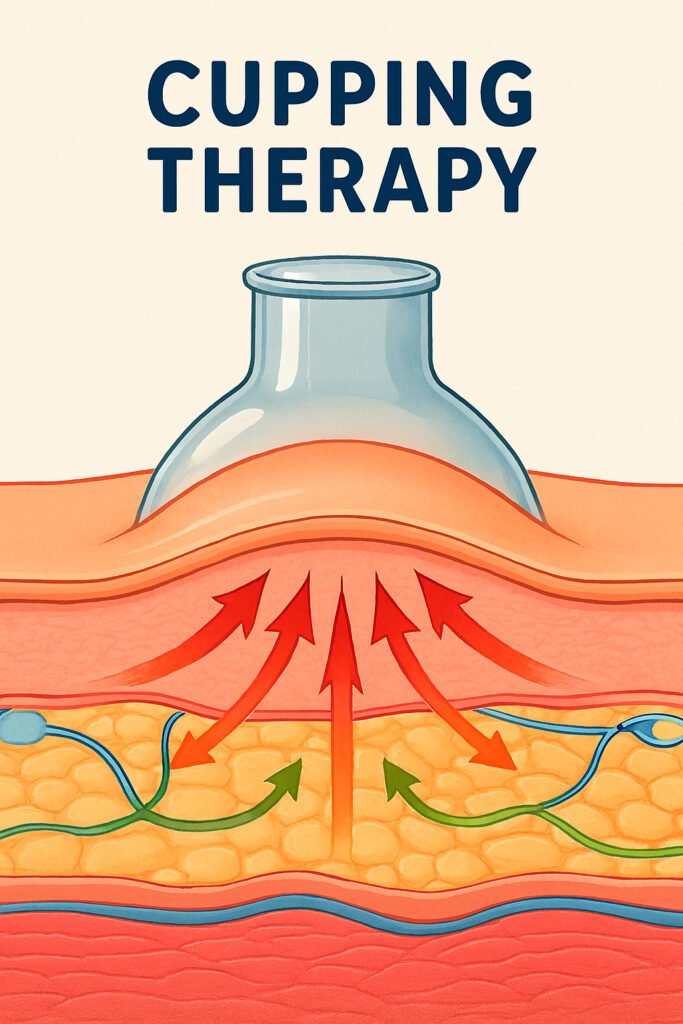
When a cup is placed on your skin, it creates negative pressure — basically, suction that lifts your skin and fascia (the connective tissue surrounding your muscles). This has three major effects:
Improved Circulation 🩸
The suction pulls blood toward the surface, bringing oxygen and nutrients to tired muscles. It also stimulates new capillary growth, promoting healing and reducing inflammation.Detoxification and Lymphatic Drainage ♻️
The gentle vacuum motion helps move stagnant lymph fluid, flushing out metabolic waste and toxins. Think of it as unclogging your body’s natural plumbing system.Fascial Release and Relaxation 🧘♂️
Tight fascia can restrict muscle movement and trap tension. Cupping gently stretches these tissues, releasing knots and improving flexibility.
In a 2021 study published in Pain Medicine, researchers found that participants who received cupping therapy experienced significant reductions in chronic neck and shoulder pain compared to those who didn’t. Another study in Complementary Therapies in Clinical Practice showed measurable decreases in inflammation markers after just a few cupping sessions.
Translation? Cupping isn’t just a placebo — it’s science with suction.
The Mind-Body Connection: How Cupping Helps Stress and Anxiety
It’s not just your muscles that feel the difference — your mind does too.
Cupping therapy activates your parasympathetic nervous system, the “rest and digest” mode that counters stress hormones like cortisol. When the body feels safe and relaxed, your heart rate slows, your digestion improves, and your brain exits “fight or flight.”
It’s the physiological version of taking a deep breath — only deeper.
Many people report feeling light, calm, or even euphoric after a cupping session. Some fall asleep during it (guilty), while others describe it as an emotional release. When tension melts away from your muscles, your brain follows suit.
So if you’re feeling fried, scattered, or mentally clenched — this therapy might just hit the reset button on both your body and your brain.
Dismissing the Myths: Let’s Talk Skepticism and Circles
Okay, let’s address the elephant—or rather, the octopus—in the room.
“What’s with those purple circles?”
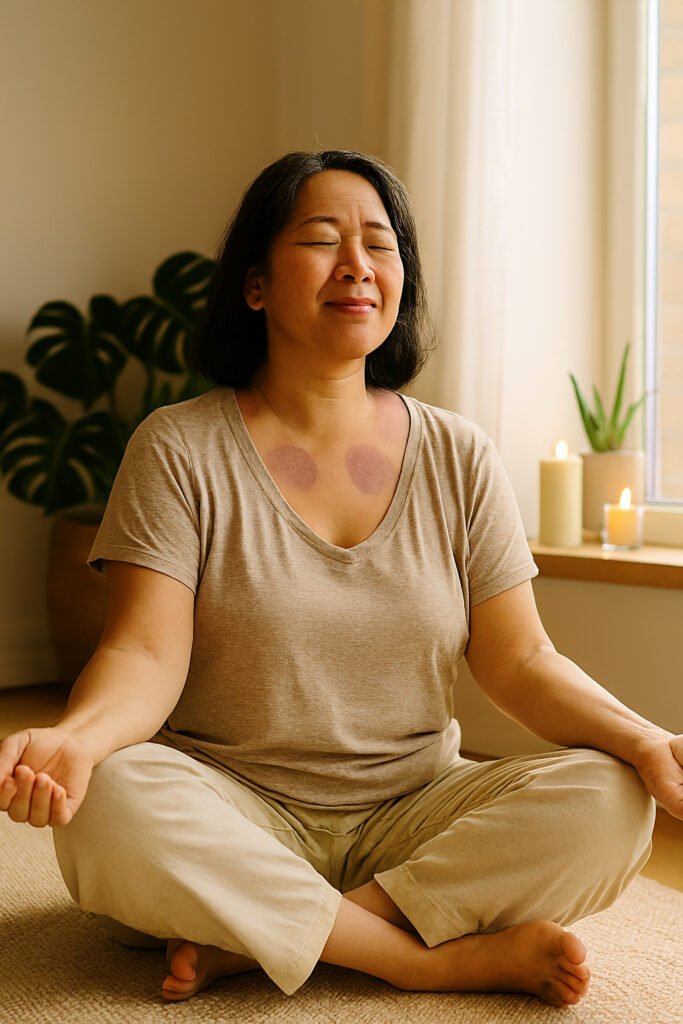
Here’s the truth: they’re not bruises. They’re temporary discolorations caused by the suction drawing old, stagnant blood to the surface — which your body then naturally clears away in a few days. Think of it as bringing hidden tension to light.
And for those who feel embarrassed walking around with “polka-dot” marks — consider them badges of healing. Athletes, celebrities, and wellness enthusiasts wear them proudly. (If anyone asks, just wink and say, “It’s my stress detox art installation.”)
As for skeptics who still think cupping is hocus-pocus — fair. It’s weird at first glance. But even if you strip away the ancient mysticism, modern science has shown real physiological benefits that go beyond placebo.

Benefits That Make Cupping Worth the Circles
Let’s recap why this therapy might just become your new favorite ritual:
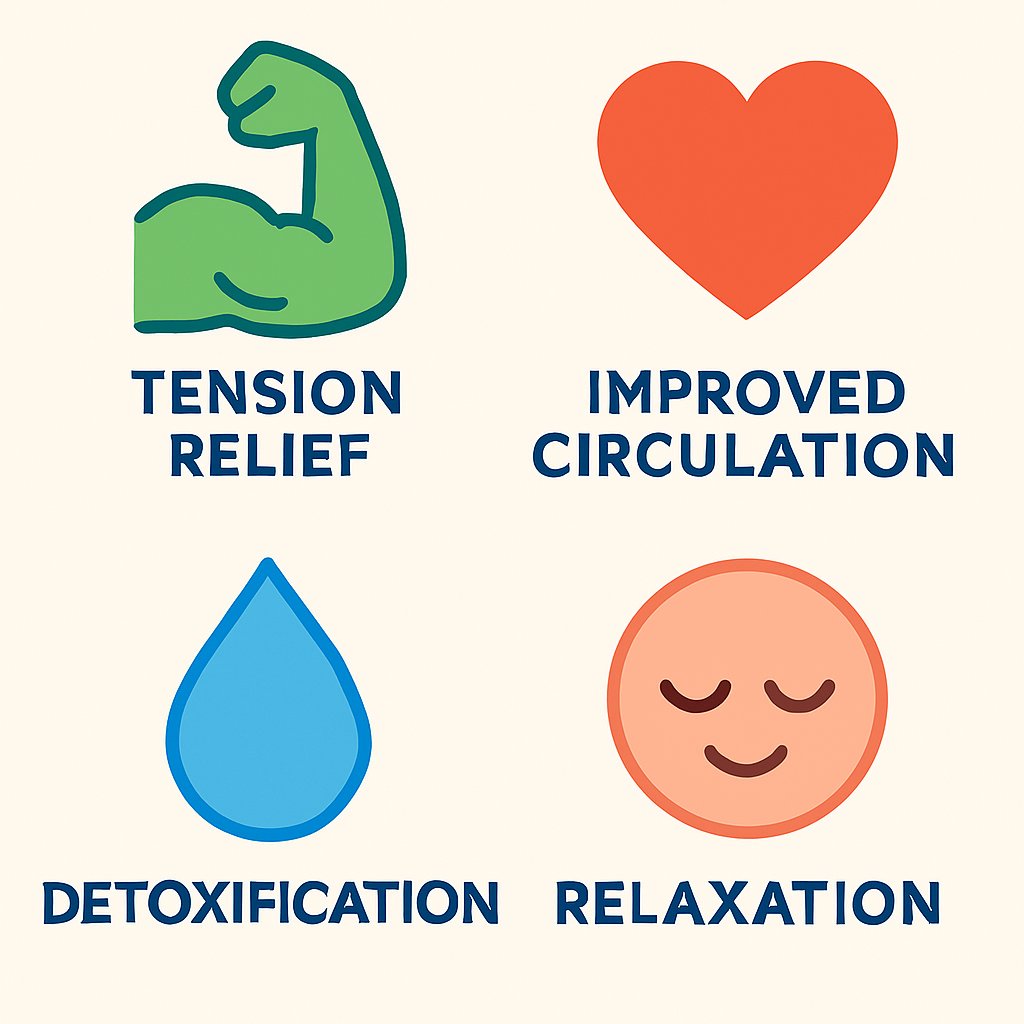
- It Relieves Muscle Tension Naturally
Instead of popping painkillers or endlessly rolling on foam, cupping targets deep muscle layers, loosening knots and reducing stiffness without chemicals or side effects. - It Boosts Recovery and Performance
That’s why athletes swear by it. Increased blood flow speeds up muscle repair after workouts, reducing soreness and improving flexibility. - It Detoxifies and Reduces Inflammation
By improving lymphatic drainage, cupping helps flush out cellular waste and inflammatory compounds — the same stuff that causes achy, tired muscles.
4. It Promotes Deep Relaxation
If stress had a physical shape, cupping would literally suck it out. That post-session calm is your nervous system saying, “Thank you.”
Cupping vs. Other Pain Relief Methods
Let’s put cupping in perspective against the usual suspects:
| Method | Pros | Cons |
|---|---|---|
| Painkillers | Quick relief | Temporary fix, possible side effects |
| Massage | Soothing, improves circulation | Doesn’t always reach deep tension layers |
| Physical Therapy | Structured recovery plan | Can take time and consistency |
| Cupping Therapy | Deep relief, boosts circulation, detoxifies naturally | Temporary marks, needs a trained practitioner |
It’s not that cupping replaces these — it complements them. Imagine pairing your post-workout stretch or meditation session with a gentle cupping treatment. It’s like turning your body into a stress-free zone.
Getting Ready for Your First Session
If you’re new to cupping, a little prep goes a long way:
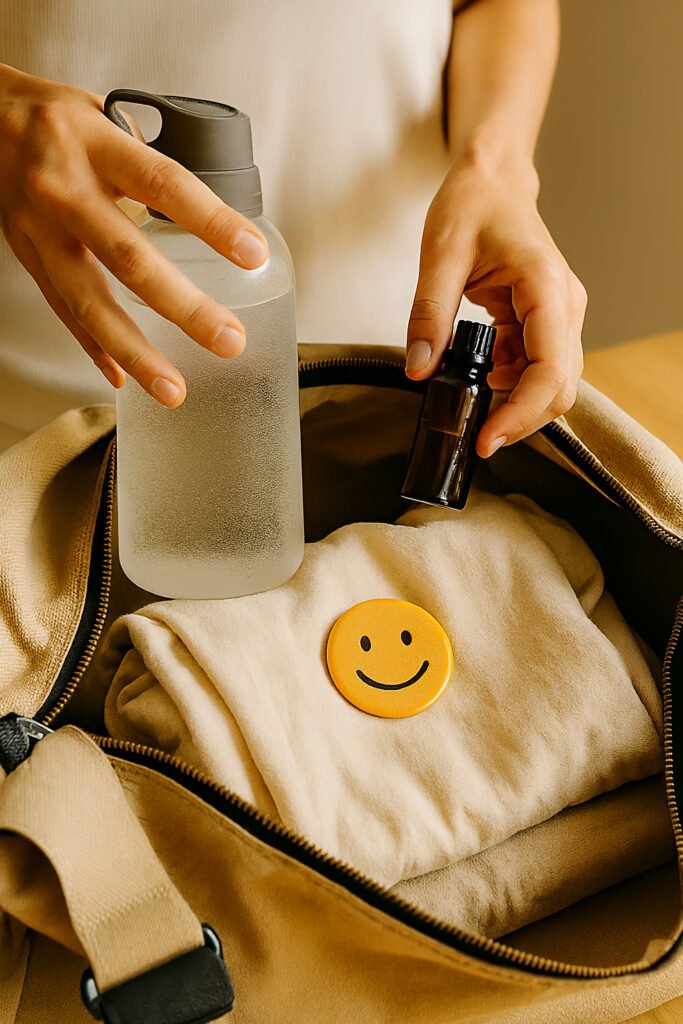
Hydrate before and after. It helps your lymphatic system flush out toxins.
Avoid lotions or oils beforehand — cups need grip!
Dress comfortably, and don’t stress about the marks; they fade in a few days.
Aftercare: Drink plenty of water, rest, and avoid intense workouts for 24 hours.
Pro tip: Combine your session with aromatherapy — lavender or eucalyptus oils can deepen relaxation and boost circulation.

Real-Life Wins: People Who Swear by Cupping
Meet Sarah, a marathon runner who swears by cupping for recovery. “It’s like a reset button for my legs,” she says. “After one session, I feel lighter, like my muscles are breathing again.”
Then there’s Tom, a 9-to-5 desk warrior who was skeptical until his third session. “I was embarrassed about the circles at first,” he laughs. “Now I call them my superhero spots. My shoulders don’t feel like bricks anymore.”
And Emily, a stressed-out marketing manager, describes cupping as her mental sanctuary. “I leave every session feeling calm, like someone unplugged my anxiety.”
Different people, different reasons — but one result: relief.
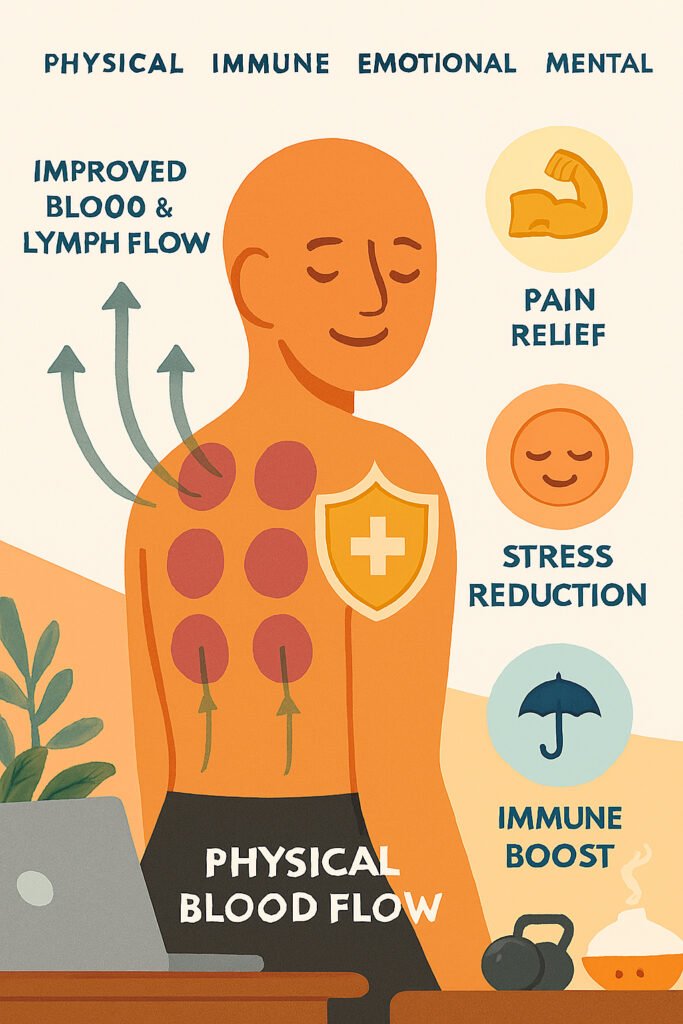
The Science-Backed Health & Wellness Connection
Cupping isn’t just about muscle tension — it’s about whole-body balance.
Scientific reviews in journals like BMC Complementary Medicine and Therapies highlight that cupping can:
Reduce chronic pain by stimulating endogenous opioids (your body’s natural painkillers).
Lower inflammatory cytokines, reducing systemic inflammation.
Enhance immune function by improving microcirculation and lymph flow.
Support mental wellness through parasympathetic activation and stress hormone reduction.
That’s a lot of health gains for something that looks like an ancient art project.

The Bottom Line: Why You Should Try Cupping Therapy
If you’re tired of chasing relief through pills, massages, or endless stretching, it might be time to give this ancient practice a modern try.
Cupping therapy bridges old wisdom and modern science, helping your body heal naturally while giving your mind a much-needed breather. Whether you’re a desk-bound professional, an athlete, or someone just trying to unwind, those little cups could be your secret weapon against tension, toxins, and stress.
And if you’re still worried about the marks — remember, they fade, but the relief lasts.
So next time you see someone walking around with those mysterious purple circles, don’t just stare — maybe ask for their practitioner’s number.
Frequently Asked Questions
🛒 Product Recommendations: Your Home Wellness Arsenal
Want to bring the magic home? Here are some top-rated Amazon wellness essentials to jumpstart your self-care routine:
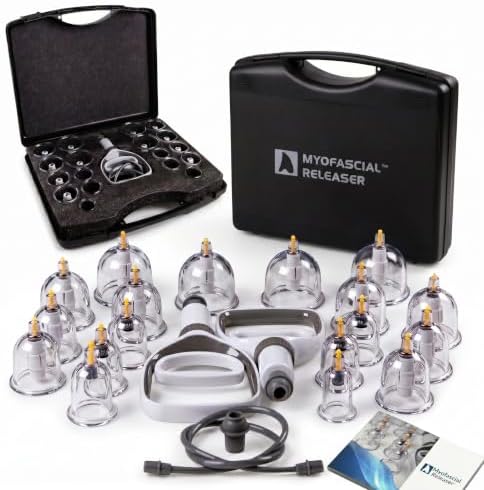
Myofascial Releaser Professional Cupping Therapy Set – Easy to use, beginner-friendly, and perfect for home muscle recovery.
Electric Cupping Therapy Massager – Combines modern suction with heat therapy for next-level relaxation.
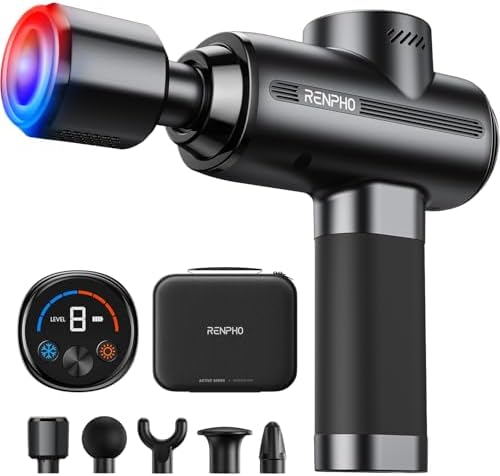
Percussion Massage Gun – Great for loosening stubborn knots before or after cupping sessions.
Essential Oils Set – Enhance your session with calming scents like lavender and eucalyptus.
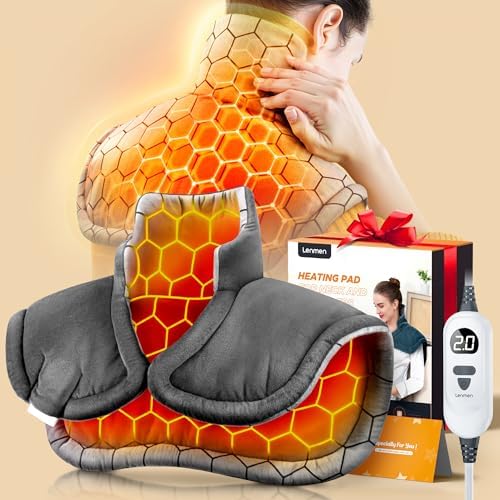
Heating Pad for Back and Shoulders – Ideal for soothing muscles and enhancing post-cupping comfort.


Final Thought:
Cupping therapy isn’t just an ancient relic — it’s a modern wellness ritual disguised as a quirky science experiment. And the best part? It doesn’t just make you feel better… it helps you be better.
So go ahead — embrace the suction, rock those circles, and give your muscles the love they’ve been begging for.
AFFILIATE DISCLOSURE
themindsparkcollective.net is a participant in the Amazon Services LLC Associates Program, an affiliate advertising program designed to provide a means for sites to earn advertising fees by advertising and linking to Amazon.com.
I may earn a small commission for my endorsement, recommendation, testimonial, and/or link to any products or services from this website.
Last Updated on October 31, 2025 by The Mindspark Collective